Understanding Chronic Inflammatory Response Syndrome (CIRS): Expert Insights
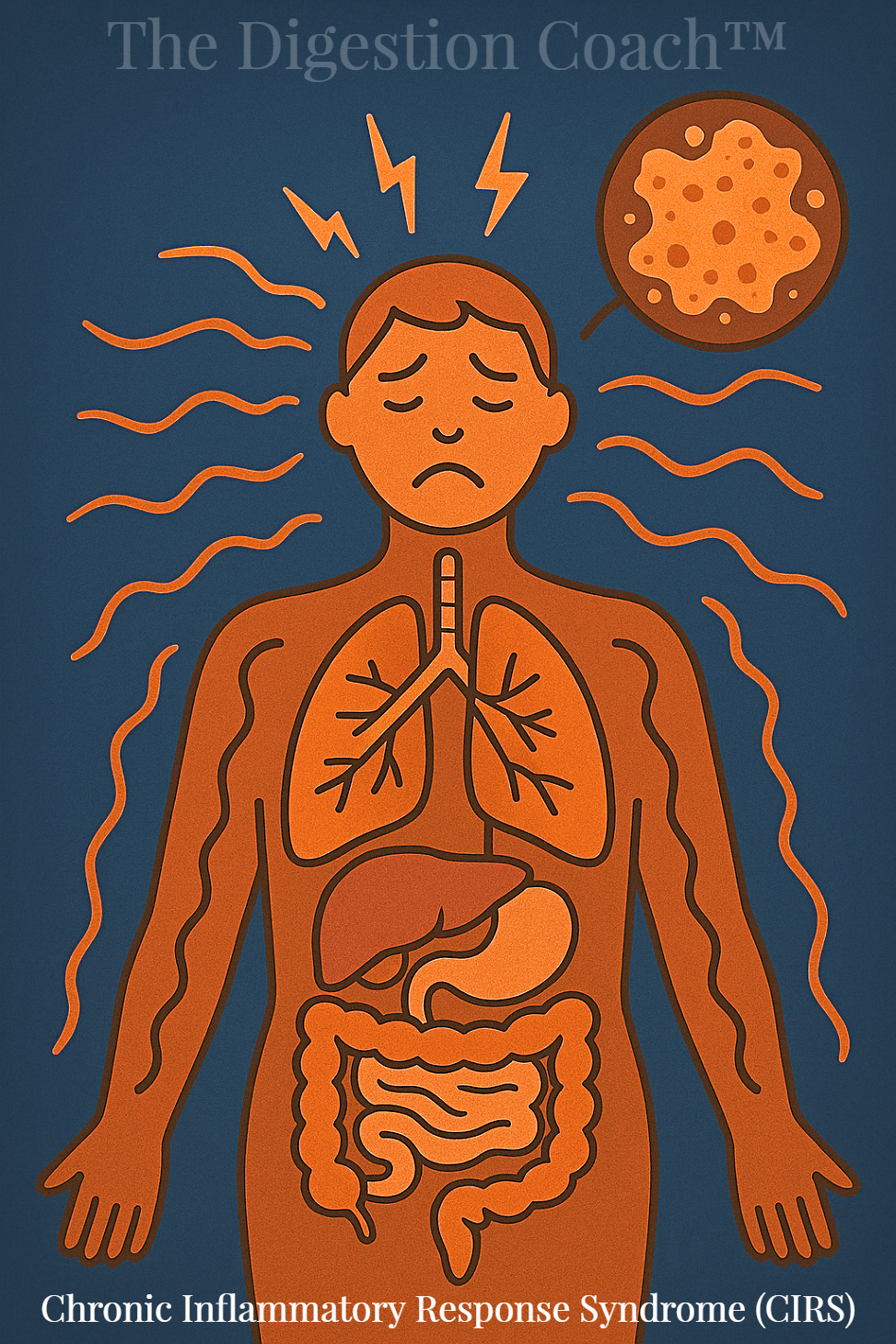
Chronic Inflammatory Response Syndrome (CIRS) is a complex, multi-system condition triggered by exposure to biotoxins, such as those from mold illness, Lyme disease, or algae (cyanotoxins). As a practitioner with extensive experience in CIRS, I understand the intricate interplay of hormonal, microbial, and cellular factors that drive this condition. This article explores the science behind CIRS, including melanocyte-stimulating hormone (MSH), the gut microbiome, mitochondrial oxidative stress, and endoplasmic reticulum (ER) stress, to help you understand why personalized care from an expert is essential for recovery.
What Is CIRS?
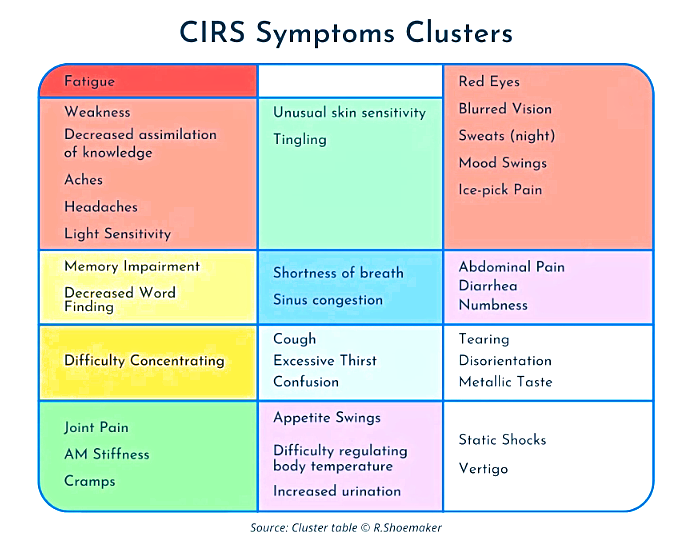
CIRS affects approximately 24% of individuals with specific HLA-DR gene variants, making them susceptible to biotoxins from mold (mycotoxins), Lyme disease (Borrelia), or other sources. These biotoxins persist in the body, triggering chronic inflammation and disrupting hormones like MSH, vasoactive intestinal polypeptide (VIP), and adrenocorticotropic hormone (ACTH). Symptoms are diverse and debilitating, including:
- Chronic fatigue and muscle weakness
- Cognitive dysfunction (brain fog, memory issues)
- Persistent pain and headaches
- Digestive disturbances and food sensitivities
- Mood changes (anxiety, depression)
- Respiratory issues and chemical sensitivities
Commonly linked to water-damaged buildings (over 50% of structures), CIRS requires precise diagnosis through specialized lab tests (e.g., MSH, TGF-β1, C4a) and visual contrast sensitivity (VCS) testing. Managing CIRS demands a deep understanding of its underlying mechanisms, which I’ve honed through years of clinical practice.
The Role of Sun Exposure and MSH
Melanocyte-stimulating hormone (MSH), produced by the pituitary gland, hypothalamus, and skin cells, regulates inflammation, melanin production, and mucosal immunity. In CIRS, over 95% of patients exhibit low MSH levels (<35 pg/mL), contributing to chronic inflammation, immune dysregulation, and infections.
Sun Exposure and MSH
Ultraviolet B (UVB) radiation from sunlight stimulates melanocytes and the hypothalamic-pituitary axis, influencing MSH production. Low MSH exacerbates inflammation and impairs antimicrobial defenses, worsening CIRS symptoms. Sun exposure also boosts vitamin D, which supports immune function and gut health, but is often deficient in CIRS patients due to impaired metabolism. While sunlight plays a role, its effects on MSH are limited in CIRS without addressing biotoxin exposure and secondary infections, requiring expert-guided strategies.
The Gut Microbiome Association
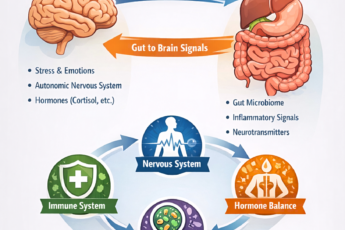
The gut microbiome, a complex ecosystem comprising trillions of microbes, plays a pivotal role in immune regulation, gut barrier integrity, and the control of inflammation. In CIRS, dysbiosis—characterized by imbalanced microbial populations—drives symptoms and complicates recovery.
Microbial Imbalances
- Depleted Beneficial Bacteria:
- Lactobacillus spp. (e.g., L. rhamnosus): Produces short-chain fatty acids (SCFAs), such as butyrate, which supports gut and immune health.
- Bifidobacterium spp. (e.g., B. longum): Enhances immunity and reduces inflammation.
- Akkermansia muciniphila: Strengthens gut lining.
- Faecalibacterium prausnitzii: Anti-inflammatory, major SCFA producer.
Low MSH and inflammation reduce these bacteria, impairing gut barrier function and increasing toxin absorption.
- Elevated Pathogenic Bacteria:
- Clostridium spp. (e.g., C. difficile): Produces inflammatory toxins.
- Escherichia coli (pathogenic strains): Generates lipopolysaccharides (LPS), driving systemic inflammation.
- Candida spp. (e.g., C. albicans): Fungal overgrowth exacerbates inflammation.
- Proteobacteria (e.g., Klebsiella): Promotes gut imbalance.
These imbalances stem from low MSH, biotoxin exposure, and infections such as MARCoNS (Multiple Antibiotic-Resistant Coagulase-Negative Staphylococci).
Implications
Dysbiosis amplifies inflammation through the release of LPS and toxins, exacerbating CIRS symptoms such as fatigue and brain fog. It also contributes to leaky gut, allowing toxins to enter the bloodstream, and disrupts the gut-brain axis, affecting mood and cognition. Restoring microbial balance requires a tailored approach that addresses biotoxins and hormonal dysregulation.
Mitochondrial Oxidative Stress in CIRS
Mitochondria, the cell’s energy producers, are susceptible to oxidative stress, where reactive oxygen species (ROS) damage DNA, proteins, and membranes. In CIRS, mitochondrial oxidative stress arises from:
- Biotoxins (mold illness, Lyme, cyanotoxins) disrupt the electron transport chain, thereby increasing reactive oxygen species (ROS).
- Low MSH reduces antioxidant defenses (e.g., glutathione).
- Dysbiotic microbes produce LPS, triggering the production of ROS through immune activation.
- Elevated cytokines (e.g., IL-6, TNF-α) impair mitochondrial function.
This leads to reduced ATP production, causing fatigue, muscle weakness, and cognitive impairment. Mitochondrial dysfunction also exacerbates leaky gut, perpetuating dysbiosis and inflammation. Addressing this requires a nuanced understanding of cellular metabolism and inflammation.
Endoplasmic Reticulum (ER) Stress in CIRS
The ER manages protein folding and calcium homeostasis. ER stress occurs when misfolded proteins accumulate, activating the unfolded protein response (UPR), which can trigger inflammation if unresolved. In CIRS, ER stress is driven by:
- Biotoxins (mold illness, Lyme, cyanotoxins) disrupt protein folding.
- Low MSH increases inflammatory stress.
- Dysbiotic microbes produce toxins that induce endoplasmic reticulum (ER) stress.
- Mitochondrial ROS disrupts ER calcium balance.
ER stress activates inflammasomes, worsening CIRS symptoms, and impairs gut barrier function, contributing to leaky gut. It also affects neuronal health, driving brain fog and mood issues. Managing ER stress requires addressing its root causes with precision.
Nutritional and Cellular Support in CIRS
Advanced strategies targeting mitochondrial and endoplasmic reticulum (ER) stress involve understanding cellular metabolism. For example:
- NAD+ Precursors: Nicotinamide adenine dinucleotide (NAD+) supports mitochondrial energy production and antioxidant defenses, potentially reducing reactive oxygen species (ROS) and endoplasmic reticulum (ER) stress.
- Thiamine Derivatives: Compounds like benfotiamine enhance NADPH and glutathione, mitigating oxidative stress and supporting energy metabolism.
- Selenium: As a cofactor for selenoproteins, selenium boosts antioxidant activity, protecting mitochondria and aiding ER function.
- More…
These approaches require careful personalization, as CIRS patients often have unique sensitivities and needs, underscoring the importance of expert guidance.
Why You Need an Expert for CIRS
CIRS is a multifaceted condition requiring a deep understanding of biotoxin pathways, hormonal regulation, microbiome dynamics, and cellular stress. My extensive experience in diagnosing and managing CIRS allows me to create tailored strategies that address your unique profile, from environmental exposures to lab results. Effective management involves:
- Precise diagnosis using specialized tests (e.g., MSH, TGF-β1, VCS).
- Addressing biotoxin sources (mold illness, Lyme, cyanotoxins) and secondary infections, such as MARCoNS.
- Restoring hormonal balance and microbial health.
- Mitigating mitochondrial and endoplasmic reticulum (ER) stress with targeted interventions.
- Restoring gut health.
Generic approaches are insufficient for CIRS. A personalized plan, informed by clinical expertise, is essential for recovery.
Contact Me for Personalized Care
Ready to address your CIRS symptoms? Contact me for a tailored approach based on cutting-edge science and years of clinical experience. Call Dr. Ettinger at 714-639-4360 to schedule a consultation or learn more about how I can help you reclaim your health.
COMPLIMENTARY 15-MINUTE CALL
Take your first step toward a renewed sense of well-being. Call today to arrange a complimentary 15-minute consultation.
Let’s discern whether my approach aligns with your needs.
I look forward to connecting with you at 714-639-4360.