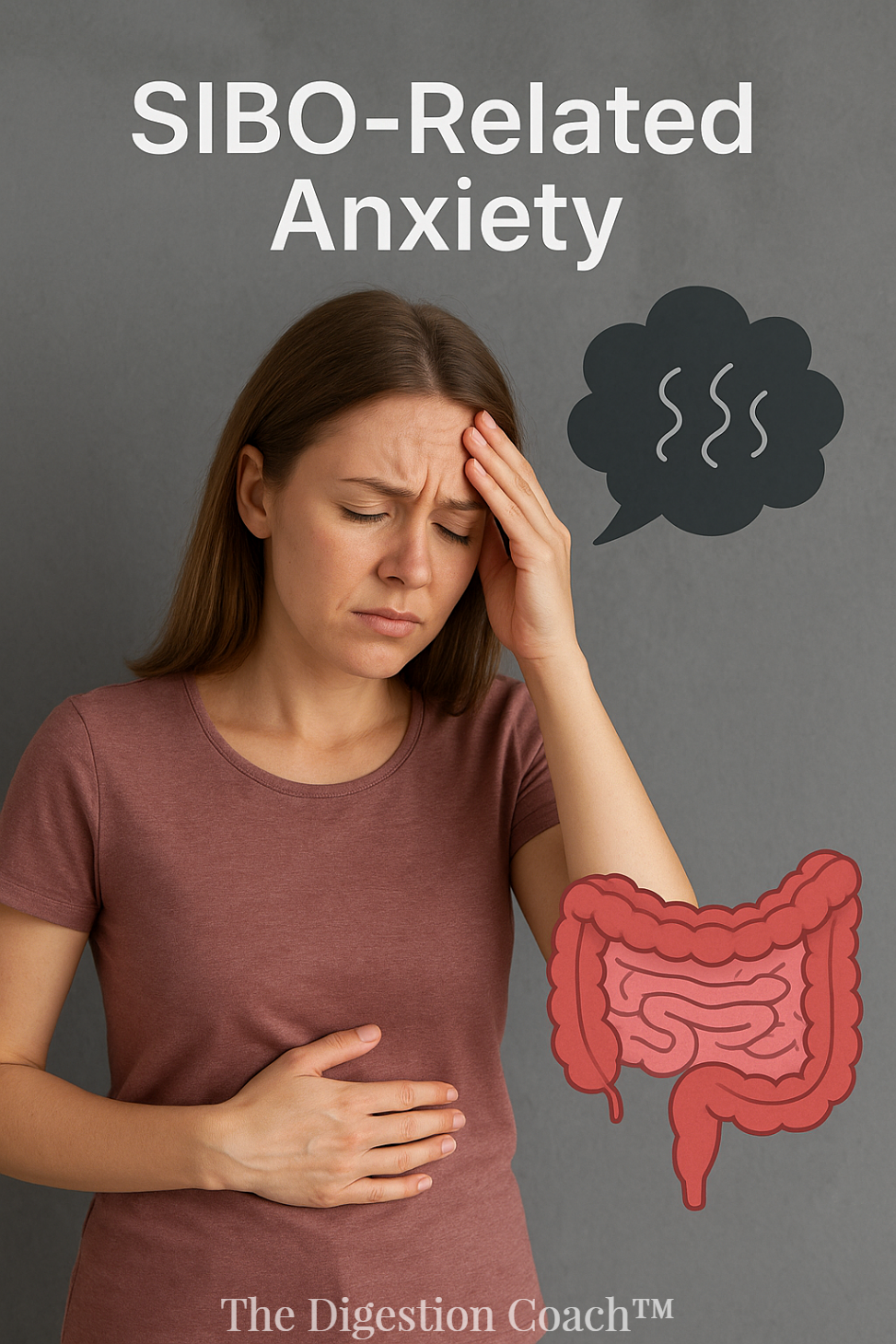
SIBO-related anxiety affects many patients with Small Intestinal Bacterial Overgrowth (SIBO), a digestive disorder causing bloating, gas, and pain. Anxiety can worsen these symptoms, creating a cycle that impacts daily life. With over 36 years of experience, I’ve seen 75% of my cases involve gastrointestinal issues like SIBO. Effective stress management techniques are key to easing SIBO-related anxiety and preventing relapses. In this post, I share step-by-step stress management techniques to help you reduce SIBO-related anxiety and improve gut health. Practice these outdoors in sunlight, near water, or in green spaces for maximum benefits. Contact me for a complimentary 15-minute consultation at 714-639-4360 to explore personalized care options.
Table of Contents
- What Causes SIBO-Related Anxiety?
- How Does Sunlight Ease SIBO-Related Anxiety?
- What Is Solfeggio Frequency 528Hz for Anxiety Relief?
- How Can Deep Breathing Reduce SIBO-Related Anxiety?
- How Does Progressive Muscle Relaxation Help SIBO Anxiety?
- How Does Mindfulness Meditation Ease SIBO-Related Anxiety?
- Which Yoga Poses Relieve SIBO-Related Anxiety?
- Why Is Exercise a Key Stress Management Technique?
- How Can Guided Imagery Reduce SIBO Anxiety?
- How Does CBT Help Manage SIBO-Related Anxiety?
- Can Aromatherapy Ease SIBO-Related Anxiety?
- How Does Journaling Help SIBO-Related Anxiety?
- What Are Self-Care Practices for SIBO Anxiety?
- Conclusion: Take Control of SIBO-Related Anxiety
- Frequently Asked Questions
What Causes SIBO-Related Anxiety?
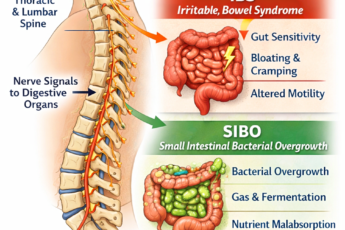
Anxiety induced by GI distress arises from the gut-brain connection. Excessive bacteria in the small intestine can disrupt digestion, resulting in bloating and abdominal pain. These symptoms trigger stress, which worsens SIBO. Chronic illness also creates worry, amplifying anxiety. Stress management techniques break this cycle, improving gut health and mental well-being. Discover more about SIBO and its connection to mental health.
How Does Sunlight Ease Anxiety Caused by SIBO?
Sunlight exposure, a powerful stress management technique, boosts serotonin to reduce SIBO-related anxiety. It regulates your circadian rhythm, improving sleep and mood. Spend 15-30 minutes in morning sunlight, ideally near water or in a park, to enhance other stress management techniques. Sunlight amplifies relaxation and supports gut health.
What Is the Solfeggio Frequency 528Hz for Anxiety Relief?
The Solfeggio frequency of 528Hz, known as the “Miracle” frequency, is a stress management technique for SIBO-related anxiety. Listening to 528Hz music promotes calm and balances energy. Use this 9-hour Solfeggio 528Hz video outdoors to ease SIBO-related anxiety and foster peace.
How Can Deep Breathing Reduce Anxiety Caused by SIBO?
Deep breathing, a top stress management technique, calms the nervous system to reduce GI-related anxiety. Try the “Box Breathing” method:
- Sit comfortably and close your eyes.
- Inhale through your nose for 4 seconds.
- Hold your breath for 4 seconds.
- Exhale through your mouth for 4 seconds.
- Hold the exhale for 4 seconds.
- Repeat for 4-8 cycles.
Explore more with Dan Brule’s Breathwork or this conscious breathing video.
How Does Progressive Muscle Relaxation Help SIBO Anxiety?
Progressive Muscle Relaxation (PMR) helps alleviate SIBO-related anxiety by reducing muscle tension. Follow these steps:
- Sit or lie down comfortably.
- Tense your feet for 5 seconds, then relax for 10 seconds.
- Move to calves, thighs, and up to the shoulders and neck.
- Tense your whole body for 5 seconds, then release.
- Take deep breaths to relax.
Watch this PMR tutorial to master this stress management technique.
How Does Mindfulness Meditation Ease Anxiety?
Mindfulness meditation, a key stress management technique, reduces SIBO-related anxiety by focusing on the present. Practice it like this:
- Sit in a quiet, comfortable spot.
- Close your eyes and focus on your breath.
- Notice the sensation of breathing.
- Gently redirect your mind if it wanders.
- Continue for 5-10 minutes.
Try this 10-minute mindfulness meditation to ease SIBO-related anxiety.
Which Yoga Poses Relieve Anxiety?
Yoga, a mind-body stress management technique, reduces anxiety through movement and controlled breathing. Try these poses outdoors:
- Child’s Pose (Balasana)
- Cat-Cow Stretch (Marjaryasana-Bitilasana)
- Downward-Facing Dog (Adho Mukha Svanasana)
- Tree Pose (Vrksasana)
- Corpse Pose (Savasana)
Why Is Exercise a Key Stress Management Technique?
Exercise releases endorphins, which reduce anxiety and support gut health. Outdoor activities enhance benefits. Try these:
- Walking or jogging
- Swimming
- Cycling
- Yoga or Tai Chi
- Hiking
Aim for 30 minutes most days. Discover the benefits of exercise for gut health.
How Can Guided Imagery Reduce SIBO Anxiety?
Guided imagery, a relaxation-based stress management technique, eases anxiety through visualization. Follow these steps:
- Sit or lie in a quiet space.
- Close your eyes and take deep breaths.
- Imagine a peaceful setting, such as a beach.
- Engage all senses—sights, sounds, smells.
- Stay in this scene for a few minutes.
Use this 10-minute guided imagery video to start.
How Does CBT Help Manage Anxiety?
Cognitive Behavioral Therapy (CBT), a proven stress management technique, changes negative thoughts to reduce anxiety. Key methods include:
- Thought Awareness: Identify negative thoughts.
- Cognitive Restructuring: Replace negative thoughts with positive ones. Example: “I can let things go.”
- Behavioral Activation: Engage in relaxing activities.
- Problem-Solving: Develop coping strategies.
Explore CBT self-help or this at-home CBT guide.
Can Aromatherapy Ease Anxiety?
Aromatherapy uses essential oils to reduce anxiety. Oils like lavender and chamomile are known to promote calmness. Use via:
- Inhalation
- Diffusion
- Topical application (with carrier oil)
Consult a professional. Try these oils:
- Lavender
- Roman chamomile
- Bergamot
- Frankincense
- Ylang-ylang
How Does Journaling Help Anxiety?
Journaling, a therapeutic stress management technique, processes emotions to ease anxiety. Use these prompts:
- Describe your anxiety associated with your GI distress.
- Note triggers or patterns.
- List effective coping strategies.
- Write about gratitude.
- Address SIBO fears.
Learn more from Verywell Mind or Psych Central.
What Are Self-Care Practices for SIBO Anxiety?
Self-care practices are essential stress management techniques for SIBO-related anxiety. Incorporate these:
- Sleep: Get 7-9 hours nightly.
- Diet: Follow a Low FODMAP diet.
- Hydration: Drink ample water.
- Gut Health: Use probiotics or enzymes.
- Limit Stimulants: Reduce your intake of caffeine and alcohol.
- Hobbies: Enjoy relaxing activities.
- Mindfulness: Practice mindful breathing.
- Social Connection: Spend time with loved ones.
- Self-Compassion: Be kind to yourself.
- Exercise: Stay active outdoors.
- Relaxation: Use deep breathing or meditation.
- Limit Stressors: Set boundaries.
- Seek Support: Consult professionals.
Read more about SIBO self-care.
Conclusion: Take Control of SIBO-Related Anxiety
These stress management techniques—from sunlight exposure to journaling—can transform how you handle anxiety associated with SIBO. Practice them daily, ideally outdoors, to reduce symptoms and improve gut health. As a practitioner with over 36 years of experience, I focus on addressing the root causes of SIBO to prevent relapses. Start today: Try one technique and schedule a free 15-minute consultation at 714-639-4360 to discuss personalized solutions for SIBO and other GI issues.
Frequently Asked Questions
What is SIBO-related anxiety?
SIBO anxiety is stress triggered by Small Intestinal Bacterial Overgrowth symptoms like bloating and pain.
Why are stress management techniques necessary for SIBO?
Stress worsens SIBO symptoms. Stress management techniques reduce anxiety and improve gut health.
Can relaxation techniques ease SIBO anxiety?
Yes, deep breathing and meditation calm the mind, reducing SIBO-related anxiety.
How does aromatherapy help SIBO anxiety?
Oils like lavender promote relaxation, easing SIBO-related anxiety when diffused or inhaled.
Does journaling reduce anxiety associated with SIBO?
Journaling processes emotions and identifies triggers, helping manage SIBO-related anxiety.
Useful Resources