Table of Contents
- What Is Queuosine and Why Does It Matter?
- Which Gut Bacteria Produce Queuosine?
- What Substrates Do Bacteria Need to Make Queuosine?
- What Foods Contain Queuosine or Support Its Production?
- How Can You Boost Queuosine Levels Naturally?
- Why Should You Care About Queuosine?
- Take Action for Better Gut Health
Understanding Queuosine: The Gut Bacteria Nutrient Your Body Needs
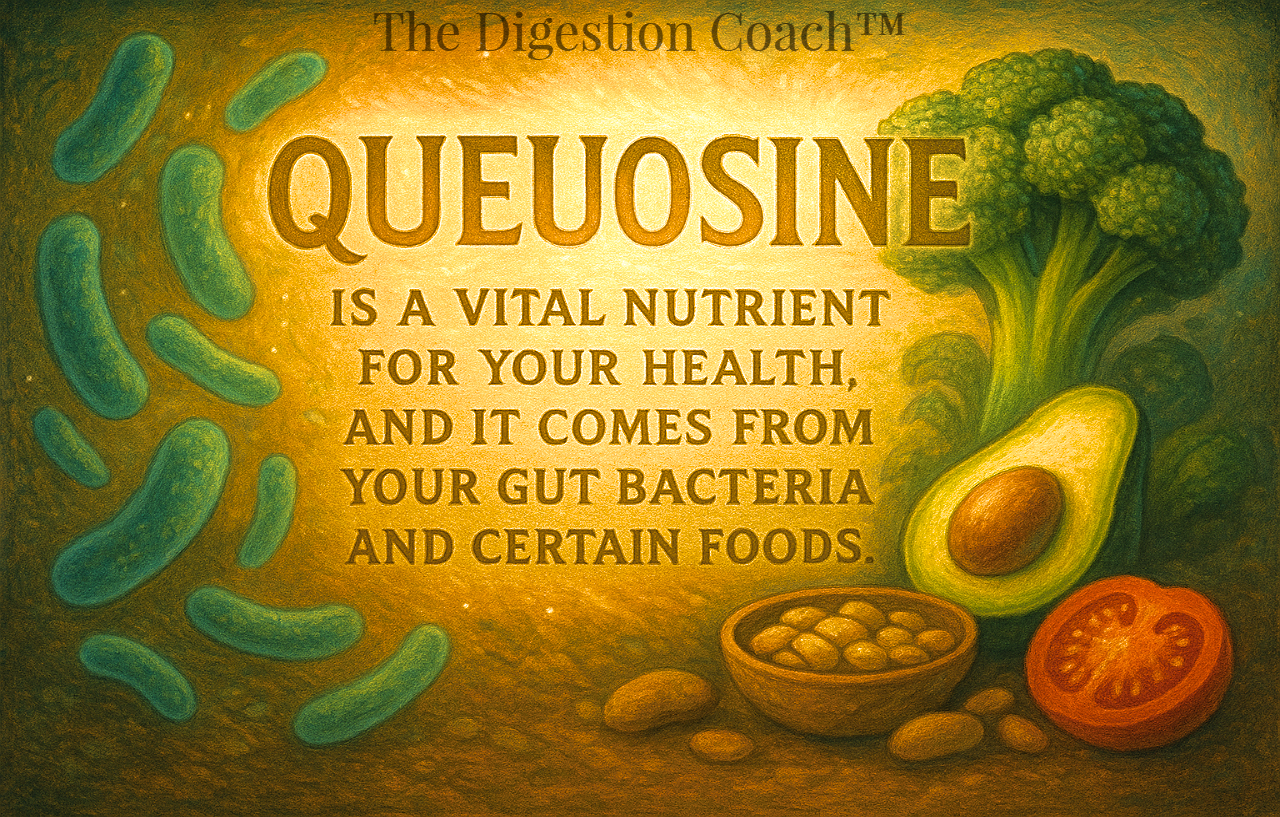
Queuosine is a vital nutrient for your health, and it comes from your gut bacteria or certain foods. This blog post explains what queuosine is, which gut bacteria produce it, the substrates they need, and the foods you can eat to boost your intake.
What Is Queuosine and Why Does It Matter?
This compound is a modified nucleoside found in your transfer RNAs (tRNAs). It helps your body make proteins accurately and efficiently. Humans can’t produce queuosine on their own. You rely on gut bacteria or food to get it. Queuosine supports healthy protein synthesis, reduces oxidative stress, and may protect against conditions like cancer or brain disorders.
Which Gut Bacteria Produce Queuosine?
Certain gut bacteria make queuine, the precursor to queuosine. These bacteria live in your gut and play a key role in your health. Here are the main producers:
- Bacteroides species: Bacteria like Bacteroides fragilis are common in your gut. They thrive on fiber-rich diets.
- Enterobacteriaceae family: Bacteria such as Escherichia coli also produce queuine. They are naturally present in your gut.
- Other eubacteria: Many gut bacteria may contribute to queuine production. Research is still uncovering their roles.
A healthy gut microbiome, supported by a varied diet, helps these bacteria produce enough queuine for your body.
What Substrates Do Bacteria Need to Make Queuosine?
Gut bacteria need specific building blocks to create queuine. These substrates fuel the complex process of queuosine production. They include:
- Guanosine Triphosphate (GTP): This is the main starting material for queuine synthesis.
- S-Adenosylmethionine (SAM): It adds a sugar group during the process.
- Vitamin B12: This vitamin helps finalize the production of queuosine.
- NADPH and ATP: These provide energy for the chemical reactions.
A diet rich in fiber supports these bacteria, providing them with the environment they need to utilize these substrates effectively.
What Foods Contain Queuosine or Support Its Production?
You can get queuosine or queuine from certain foods or by supporting your gut bacteria. Here are the best food sources:
- Probiotic Yogurts: These are rich in it, with concentrations ranging from 32 to 352 ng/g. Look for live culture yogurts.
- Dairy Products: Milk and cheese contain about 57.2 ng/g of queuosine metabolites.
- Meat and Poultry: Meat contains approximately 20.1 ng/g, while poultry contains 4.9 ng/g.
- Fermented Foods: Kimchi, sauerkraut, miso, and tempeh provide queuine through bacterial activity.
- Fruits and Vegetables: These have lower levels (2–5.3 ng/g) but supply fiber to boost gut bacteria.
- Whole Grains and Legumes: Oats, quinoa, lentils, and chickpeas feed queuine-producing bacteria.
Eating a fiber-rich diet helps your gut bacteria produce more queuine, especially if you avoid processed foods or excessive alcohol.
How Can You Naturally Boost Queuosine Levels?
To increase queuosine levels, focus on maintaining gut health and a balanced diet. Follow these steps:
- Eat Fiber-Rich Foods: Include fruits, vegetables, whole grains, and legumes in your daily diet.
- Choose Probiotic Foods: Add yogurt, kimchi, or other fermented foods to your diet.
- Limit Gut Disruptors: Avoid smoking, excessive alcohol, and unnecessary antibiotics.
- Stay Consistent: A varied, plant-based diet supports long-term gut health.
If you’re vegan, ensure your diet includes plenty of fiber to support the production of queuine-producing bacteria, as you may miss out on dairy and meat sources.
Why Should You Care About This Compound?
Queuosine supports your health by improving protein synthesis and reducing oxidative stress. It may lower the risk of inflammatory bowel disease, neurodegenerative disorders, and certain cancers. A balanced diet and healthy gut microbiome ensure you get enough queuine. If you’re concerned about your gut health or diet, consult a dietitian for a personalized plan.
Take Action for Better Gut Health
This key nutrient is produced by gut bacteria, such as Bacteroides and E. coli, using substrates like GTP and vitamin B12. You can boost your intake by eating probiotic yogurts, dairy, meat, fermented foods, and fiber-rich plants. To improve your gut health and queuosine levels, start adding these foods to your diet today. Book a consultation with me to receive tailored advice on optimizing your nutrition and wellness.