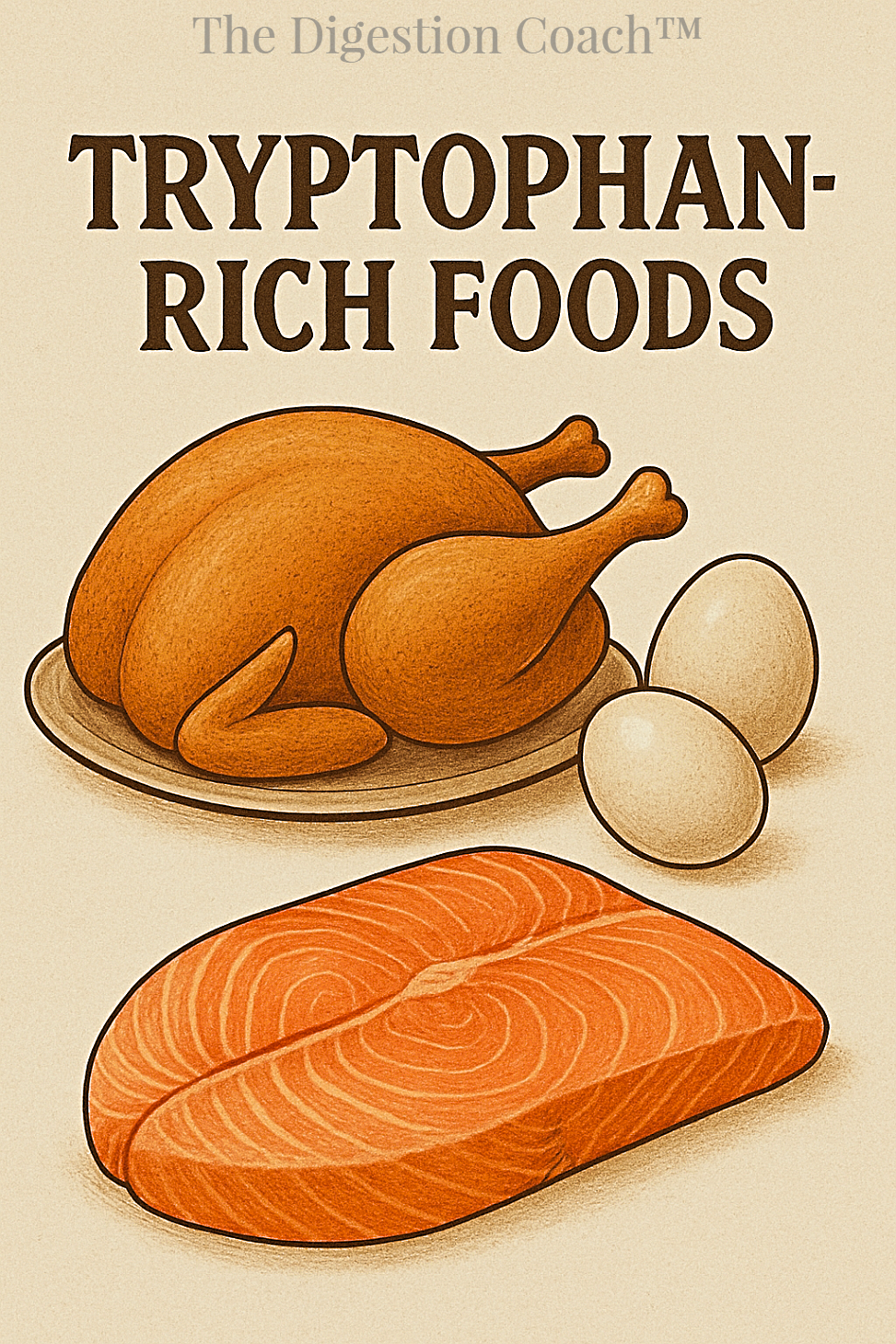
Learn how to increase GLP-1 naturally with tryptophan and tryptophan-rich foods.
GLP-1 (glucagon-like peptide-1) is a hormone your gut releases after you eat. It helps control blood sugar, reduces appetite, and aids in weight loss. Drugs like Ozempic work by mimicking GLP-1; however, you can also increase GLP-1 naturally through a balanced diet and improved gut health.
Recent research shows that tryptophan—an amino acid found in protein-rich foods—can boost GLP-1 production when combined with the right gut bacteria. This means that food choices can support your metabolism and satiety without the need for medication.
Table of Contents
- What Is GLP-1 and Why Does It Matter?
- How Tryptophan Helps Increase GLP-1
- Best Tryptophan-Rich Foods for GLP-1 Boost
- How to Support the Right Gut Bacteria
- Why This Matters for Metabolic Health
- Summary and Next Steps
What Is GLP-1 and Why Does It Matter?
GLP-1 is made by special gut cells called enteroendocrine L-cells. These cells respond to food by:
- Stimulating insulin release from the pancreas
- Sending satiety signals to your brain
- Slowing stomach emptying for better blood sugar control
In obesity, GLP-1 secretion often drops. This happens partly because there are fewer L-cells in the gut. Fewer cells mean less GLP-1, resulting in increased hunger and unstable blood sugar levels.
How Tryptophan Helps Increase GLP-1
Tryptophan is an essential amino acid that your body cannot make. Certain gut bacteria, like Lactobacillus acidophilus, convert tryptophan into compounds called indoles.
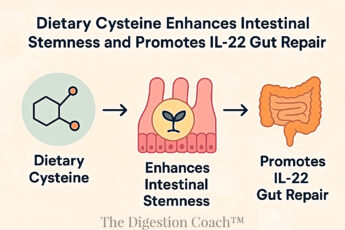
Indoles activate the Aryl hydrocarbon receptor (AhR) in the gut lining. This receptor signals intestinal stem cells to develop into enteroendocrine cells, including those that produce GLP-1.
A new study found:
- Obese rats had ~60% fewer GLP-1-producing cells
- Treating human gut organoids with indole doubled the number of GLP-1-related markers
- Lactobacillus acidophilus grown with extra tryptophan boosted GLP-1 cell development even more
Best Tryptophan-Rich Foods for GLP-1 Boost
Adding tryptophan-rich foods to your diet provides your gut bacteria with the raw material to produce indoles.
High-tryptophan foods include:
- Turkey and chicken
- Eggs and dairy products (yogurt, cheese)
- Fish like salmon and tuna
- Nuts and seeds (pumpkin seeds, sesame, sunflower)
- Soy products (tofu, tempeh)
- Legumes (beans, lentils, chickpeas)
- Dark chocolate
Eat these with fiber-rich foods to feed your beneficial gut bacteria. Onions, garlic, asparagus, and oats are excellent choices.
How to Support the Right Gut Bacteria
The benefits of tryptophan depend on having enough tryptophan-metabolizing bacteria. To encourage them:
- Add probiotics – Choose foods like kefir, sauerkraut, and kimchi. Digestion Coach™ Pro Tip: Trader Joe’s or Lifeway Kifer are is preferred option and contain these strains (Lactobacillus Lactis, Lactobacillus Rhamnosus, Streptococcus Diacetylactis, Lactobacillus Plantarum, Lactobacillus Casei, Saccharomyces Florentinus, Leuconostoc Cremoris, Bifidobacterium Longum, Bifidobacterium Breve, Lactobacillus Acidophilus, Bifidobacterium Lactis, and Lactobacillus Reuteri)
- Eat prebiotics daily – Fibers from legumes feed good bacteria, and promote indole production
- Limit ultra-processed foods – These can harm gut diversity and reduce beneficial strains
- Exercise regularly – Physical activity supports gut microbiome balance
Why This Matters for Metabolic Health
Increasing GLP-1 naturally can help:
- Improve satiety and reduce overeating
- Stabilize blood sugar after meals
- Support healthy weight management
This approach avoids the common side effects of GLP-1 drugs, such as nausea and diarrhea, while also improving overall gut health.
Summary and Next Steps
Key takeaway: Consuming tryptophan-rich foods and promoting the growth of Lactobacillus bacteria can naturally increase GLP-1 levels. This works by increasing the number of GLP-1-producing cells in your gut through AhR activation.
To start today:
- Add at least one tryptophan-rich food to each meal
- Include probiotic and prebiotic foods weekly
- Avoid diets high in unhealthy fats that may reduce L-cell numbers
Your gut has the tools to boost GLP-1—you just need to feed it right.