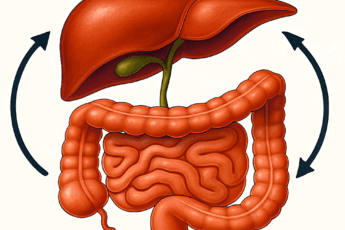
How Does Fenugreek Work with the Gut and Microbiome?
Fenugreek microbiome interactions drive its benefits for gut health, glucose control, and weight loss. People often search, “How does fenugreek work with the microbiome and gut?” This guide explains its mechanisms clearly. It covers fenugreek’s prebiotic effects, GLP-1 stimulation, glucose management, and weight benefits. Each section addresses one question for clarity. By the end, you’ll understand fenugreek’s gut-driven benefits and how to use it for better gut health.
Why Does Fenugreek Support Gut Health as a Prebiotic?
Fenugreek’s prebiotic effects define its role in the fenugreek microbiome connection. Its soluble fiber, galactomannans (20–50% of seed weight), feeds beneficial gut bacteria.
Gut microbes ferment this fiber. This boosts microbial diversity. Studies in diabetic rats show that fenugreek increases Lactobacillus and Akkermansia muciniphila. These bacteria improve glucose metabolism and reduce obesity.
Key Prebiotic Benefits for Gut Health
- SCFA Production: Bacteria like Bifidobacterium ferment fiber into short-chain fatty acids (SCFAs) like acetate, propionate, and butyrate.
- Gut Barrier Health: SCFAs strengthen the gut lining. They lower inflammation and boost insulin sensitivity.
- Butyrate’s Impact: Butyrate is a crucial energy source that fuels the growth, proliferation, and survival of colonic cells. It also triggers GLP-1 release from gut L-cells.
Fenugreek fights dysbiosis, an imbalance linked to metabolic issues. This supports overall gut health.
How Does Fenugreek Boost GLP-1 in the Gut?
GLP-1 is a hormone that regulates glucose control and appetite. Fenugreek enhances its release via the fenugreek microbiome and gut actions.
Fiber fermentation creates SCFAs. These bind to receptors (GPR41, GPR43) on L-cells, boosting GLP-1. Foods that Boost GLP-1
Mechanisms of GLP-1 Stimulation
- Fiber Viscosity: Galactomannans slow digestion. Nutrients reach the lower gut, where L-cells are dense.
- Bioactive Compounds: Fenugreek’s N55 compound enhances GLP-1 signaling. Microbial metabolites amplify this effect.
- Bile Acid Effects: Saponins bind bile acids, activating TGR5 receptors. This increases GLP-1 release.
These actions mimic high-fiber diets. They improve satiety and blood sugar control through gut health.
How Does Fenugreek Control Glucose via the Gut?
Fenugreek manages glucose levels through gut-based mechanisms. It reduces post-meal sugar spikes effectively.
Saponins inhibit enzymes such as α-amylase and α-glucosidase. This slows carb breakdown in the small intestine.
Undigested carbs reach the colon. Bacteria ferment them into SCFAs, supporting GLP-1 and insulin sensitivity.
Glucose Benefits
- Insulin Sensitivity: Propionate lowers inflammation by strengthening the gut barrier. This improves glucose uptake.
- Clinical Evidence: Human studies show 10 g/day fenugreek powder cuts fasting glucose. Gut actions drive this.
Fenugreek helps maintain steady glucose levels, reducing spikes for improved gut health.
How Does Fenugreek Aid Weight Loss and Appetite?
Fenugreek promotes weight loss by curbing hunger and supporting a lean fenugreek microbiome. Gut mechanisms are key.
GLP-1 and fiber viscosity delay gastric emptying. This increases fullness.
Weight Management Effects
- Microbiome Shift: Fenugreek boosts Akkermansia, linked to less fat storage. Animal studies show reduced adipogenesis.
- Hunger Reduction: Trials with 8 g/day fenugreek fiber show lower calorie intake. Gut hormones drive this.
- Human Data: The results are promising but require further research. Microbiome changes aid long-term weight control.
Fenugreek fosters a gut profile that supports weight loss and gut health.
Powder vs. Extract: How Do They Affect the Gut?
Fenugreek comes as a seed powder or extract. Each impacts the fenugreek microbiome differently.
Powder retains high fiber. It maximizes prebiotic fermentation and SCFA production. Extracts focus on bioactive compounds such as 4-hydroxyisoleucine and N55 for GLP-1 and enzyme effects.
Comparison Table
| Form | Gut Impact | Microbiome Effect | Ideal Use |
|---|---|---|---|
| Powder | High fiber slows digestion | Strong prebiotic | Gut health, appetite control |
| Extract | Bioactive focus | Moderate | Hormonal, glucose support |
Choose powder for broad gut health benefits. Use extracts for targeted effects.
Summary: Fenugreek for Gut Health and Microbiome Benefits
Fenugreek works with the microbiome and gut as a prebiotic. It produces SCFAs, boosts GLP-1, regulates glucose levels, and supports weight loss. Powder maximizes fiber benefits; extracts target bioactives. Add 5–10 grams per day of fenugreek powder to smoothies or meals for improved gut health. Consult with a digestive specialist, such as myself, before starting, especially if you have underlying health conditions. Lastly, visit my food page or recipe page for more ideas on how to support gut health!
COMPLIMENTARY 15-MINUTE CALL
Take your first step toward a renewed sense of well-being. Call today to arrange a complimentary 15-minute consultation.
Let’s discern whether my approach aligns with your needs.
I look forward to connecting with you at 714-639-4360.
Polyamines and SCFAs + B Vitamins: The Gut-Neurological Link