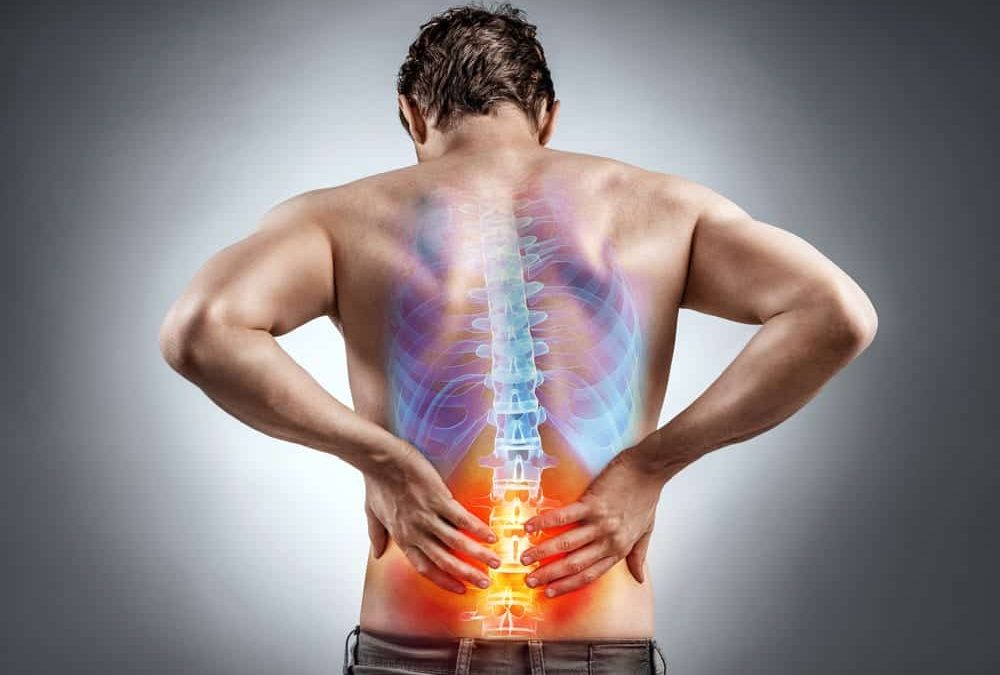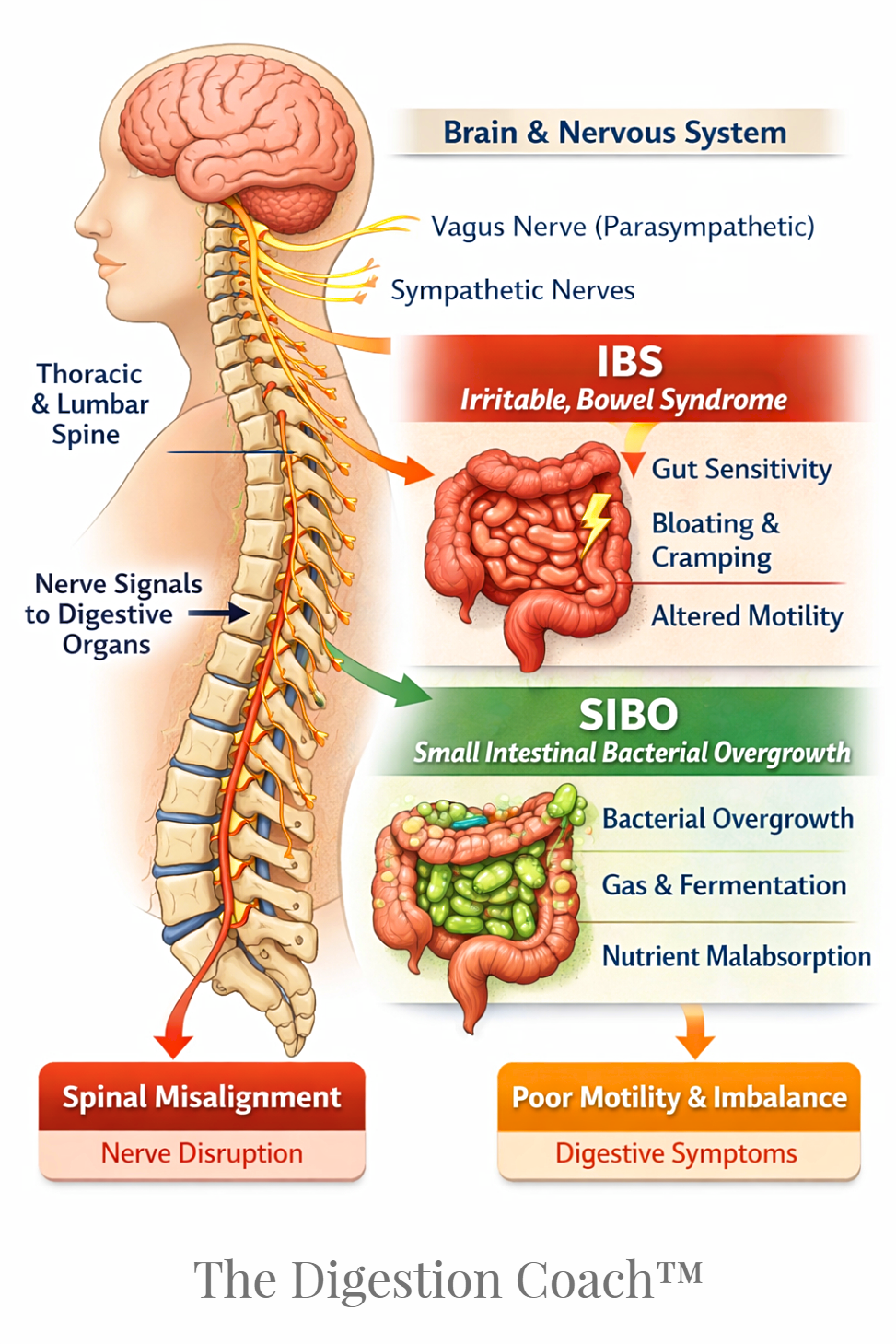
If you have IBS or SIBO, you are not alone. Bloating, gas, abdominal pain, constipation, and diarrhea can disrupt daily life. Quick Answer: Chiropractic care for IBS and SIBO may help by supporting nervous system regulation, reducing tension, and improving motility.
Many people want a natural plan. They also want answers that go beyond symptom control. Chiropractic care for IBS and SIBO means using spinal and nervous system support to improve comfort, motility, and regulation.
Bottom line: Yes, chiropractic care may help with IBS symptoms and SIBO-related discomfort when used as part of a comprehensive gut health plan.
📞 Want a personalized plan? Call 714-639-4360
Table of Contents
- What Is IBS?
- What Is SIBO?
- IBS vs SIBO: Why They Overlap
- Can a Chiropractor Help IBS?
- Can Chiropractic Help SIBO?
- The Gut-Brain Axis (Why Stress Changes Digestion)
- How Chiropractic Care Supports Digestive Regulation
- Chiropractic Care and Motility (A Big IBS-C and SIBO Factor)
- Can Chiropractic Help Bloating?
- Symptoms That May Improve With Chiropractic + Gut Support
- What Does the Research Say?
- The Best Natural IBS and SIBO Protocol Is a Combined Plan
- What to Expect: A Typical Plan in Our Office
- Is Chiropractic Right for You?
- When to Seek Medical Evaluation First
- Quick Summary (The Main Takeaway)
- Ready for a Natural IBS or SIBO Plan?
- FAQ: Chiropractic Care for IBS and SIBO
What Is IBS?
IBS (Irritable Bowel Syndrome) is a condition that affects bowel habits and gut comfort. It is often linked to gut sensitivity and nervous system stress patterns.
Common IBS symptoms include:
- Abdominal pain or cramping
- Bloating and gas
- Constipation (IBS-C)
- Diarrhea (IBS-D)
- Mixed bowel habits (IBS-M)
- Urgency or incomplete bowel movements
Key point: IBS is real. It is not “all in your head.” But it is strongly influenced by the gut-brain axis.
What Is SIBO?
SIBO (Small Intestinal Bacterial Overgrowth) is when bacteria overgrow in the small intestine. This can lead to fermentation, gas, and discomfort after meals.
Common SIBO symptoms include:
- Bloating that builds after eating
- Excess gas
- Abdominal pressure
- Food sensitivities
- Fatigue or “brain fog”
- Loose stools or constipation
Key point: SIBO is often linked to slow motility. Motility is how food and bacteria move through the gut.
IBS vs SIBO: Why They Overlap
IBS and SIBO often look the same. Many people have features of both.
Here is a simple way to think about it:
- IBS is often a gut sensitivity + regulation problem
- SIBO is often a bacterial + motility problem
Both can happen together. That is why a combined plan often works best.
Can a Chiropractor Help IBS?
Yes, a chiropractor may help with IBS symptoms. This is most true when IBS flares with stress or tension.
Chiropractic care does not “treat the bowel directly.” But it may support the systems that control digestion.
Key point: Chiropractic care may help IBS by supporting nervous system regulation.
Can Chiropractic Help SIBO?
Chiropractic care does not kill SIBO bacteria. It is not an antimicrobial treatment.
However, chiropractic may help support factors linked to SIBO patterns. The biggest one is motility support.
Key point: Chiropractic care may help SIBO by supporting gut motility and regulation.
The Gut-Brain Axis (Why Stress Changes Digestion)
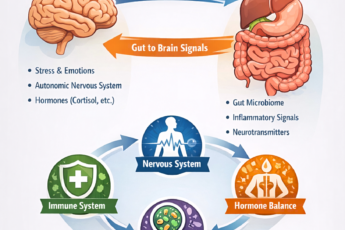
The gut and brain communicate all day long. This is called the gut-brain axis.
When stress is high, the body shifts into “fight or flight.” That can change digestion quickly.
Stress patterns may lead to:
- Slower gut movement
- More cramping
- More bloating
- More urgency
- More discomfort after meals
Key point: A stressed nervous system can create real gut symptoms. This is common in IBS.
How Chiropractic Care Supports Digestive Regulation
Chiropractic care focuses on joint motion, posture, and nervous system balance. It may help reduce physical stress signals in the body.
This can support digestion in several ways.
Chiropractic care may help:
- Reduce muscle tension and guarding
- Improve breathing mechanics (ribcage and diaphragm motion)
- Support healthier posture and movement patterns
- Promote better “rest and digest” tone
Key point: Better regulation can support better digestion.
Chiropractic Care and Motility (A Big IBS-C and SIBO Factor)
Motility refers to the movement of contents through the digestive tract. Slow motility can increase bloating and constipation.
This is common in:
- IBS-C
- Methane-dominant SIBO patterns
- “Stuck” digestion after meals
Chiropractic care may support motility by helping the body shift out of tension. It may also support abdominal comfort and movement.
Key point: Chiropractic for constipation may help when poor motility is part of the pattern.
Can Chiropractic Help Bloating?
Yes, chiropractic may help with bloating for some people. This is most true when bloating is linked to tension, poor motility, or stress patterns.
Bloating often improves when you address:
- Food triggers
- Fermentation
- Motility
- Stress response
Chiropractic care may support the “stress response” and “motility” parts of the plan.
Symptoms That May Improve With Chiropractic + Gut Support
Chiropractic care works best as part of a full protocol. It is rarely the only missing piece.
Some patients report improvements in:
- Bloating and pressure
- Constipation or irregular stools
- Abdominal tension after meals
- Stress-related digestive flare-ups
- Cramping patterns
- General comfort and energy
Key point: Results vary. Your pattern matters.
What Does the Research Say?
Research is still developing. Large randomized trials are limited.
However, clinical observations and case reports suggest chiropractic care may help some digestive symptoms. This is especially true when care is combined with nutrition and lifestyle support.
Key point: Chiropractic is generally low risk when performed by a licensed professional. It may be a reasonable option for people who want natural support.
The Best Natural IBS and SIBO Protocol Is a Combined Plan
If you want better results, combine strategies. This is where many people finally improve.
Dietary approaches for IBS and SIBO
Common options include:
- Low-FODMAP diet (often used for IBS bloating)
- Anti-inflammatory diet principles
- Identifying personal trigger foods
Goal: reduce symptoms without long-term restriction.
Herbal antimicrobials for SIBO support
Some integrative plans may include, but are not limited to:
- Berberine-containing herbs
- Emulsified oregano oil
- Peppermint
- Ginger
These should be used strategically. More is not always better.
Probiotics and enzymes (when appropriate)
Some people benefit from:
- Digestive enzymes
- Targeted probiotics
- Support for digestion timing
Important: Not every probiotic is a good fit for every SIBO pattern.
Lifestyle factors that improve gut function
These are simple, but powerful:
- Stress reduction
- Better sleep
- Walking after meals
- Hydration
- Chewing thoroughly
Key point: Lifestyle changes improve outcomes faster than most people expect.
What to Expect: A Typical Plan in Our Office
Patients want clarity. Here is what a structured plan can look like.
Step 1: Identify your pattern
We review your symptoms, stool pattern, food triggers, and stress triggers. This helps us stop guessing.
Step 2: Evaluate posture and motion
I look for restricted spinal motion, rib and diaphragm mechanics, and tension patterns that affect digestive regulation.
Step 3: Build a combined plan
Your plan may include chiropractic adjustments, nutrition strategy, motility habits, and targeted supplement support.
Step 4: Track progress and reassess
We will track bloating, pain, stool patterns, food tolerance, energy, and brain fog. Some patients also use SIBO breath testing when appropriate.
Is Chiropractic Right for You?
Chiropractic care may be a great fit if your digestion worsens with stress, you feel tense in your body, or you struggle with constipation and irregular motility.
Chiropractic care may be less helpful as a stand-alone approach if you need deeper microbiome support or have severe symptoms that require medical evaluation.
When to Seek Medical Evaluation First
Please seek medical care first if you have blood in your stool, unexplained weight loss, persistent fever, severe abdominal pain, or new symptoms after age 50.
This page is educational. It is not medical diagnosis or emergency care.
Quick Summary (The Main Takeaway)
- IBS is often linked to gut sensitivity and stress signaling
- SIBO is often linked to bacterial overgrowth and slow motility
- Chiropractic care may help by supporting nervous system regulation and body mechanics
- Best results come from combining chiropractic with diet, lifestyle, and targeted gut support
Ready for a Natural IBS or SIBO Plan?
You do not have to live with daily bloating or unpredictable digestion. There are steps that can help.
Dr. Marcus Ettinger, DC – “The Digestion Coach”
📞 Call 714-639-4360 to schedule a consultation.
FAQ: Chiropractic Care for IBS and SIBO
Can chiropractic cure IBS?
No. Chiropractic does not cure IBS. However, it may help reduce symptoms by supporting regulation and comfort.
Can chiropractic help with bloating?
Yes, it may help some people. Bloating often improves when motility and stress patterns improve.
Can chiropractic help constipation?
It may. Constipation often involves slow motility and tension patterns.
Can chiropractic help SIBO go away?
Chiropractic does not kill bacteria. But it may support motility and regulation in a full plan.
How long does it take to see results?
Some people notice changes within 2–4 weeks. Others need a longer plan based on their pattern and history.
Should I change my diet too?
Yes, most people should. Diet is often a major driver of IBS and SIBO symptoms.