Table of Contents
- Aging Is Not Just About Getting Older
- What Researchers Wanted to Understand
- The Biology of Aging — Explained Simply
- From a Clinical Perspective…
- Aging Is a Whole-Body Systems Process
- Why This Matters for Healthspan
- Practical Takeaways From Aging Research
- Grand Conclusion: Understanding Aging Changes How We Think About Health
- Frequently Asked Questions
- Source
Aging Is Not Just About Getting Older
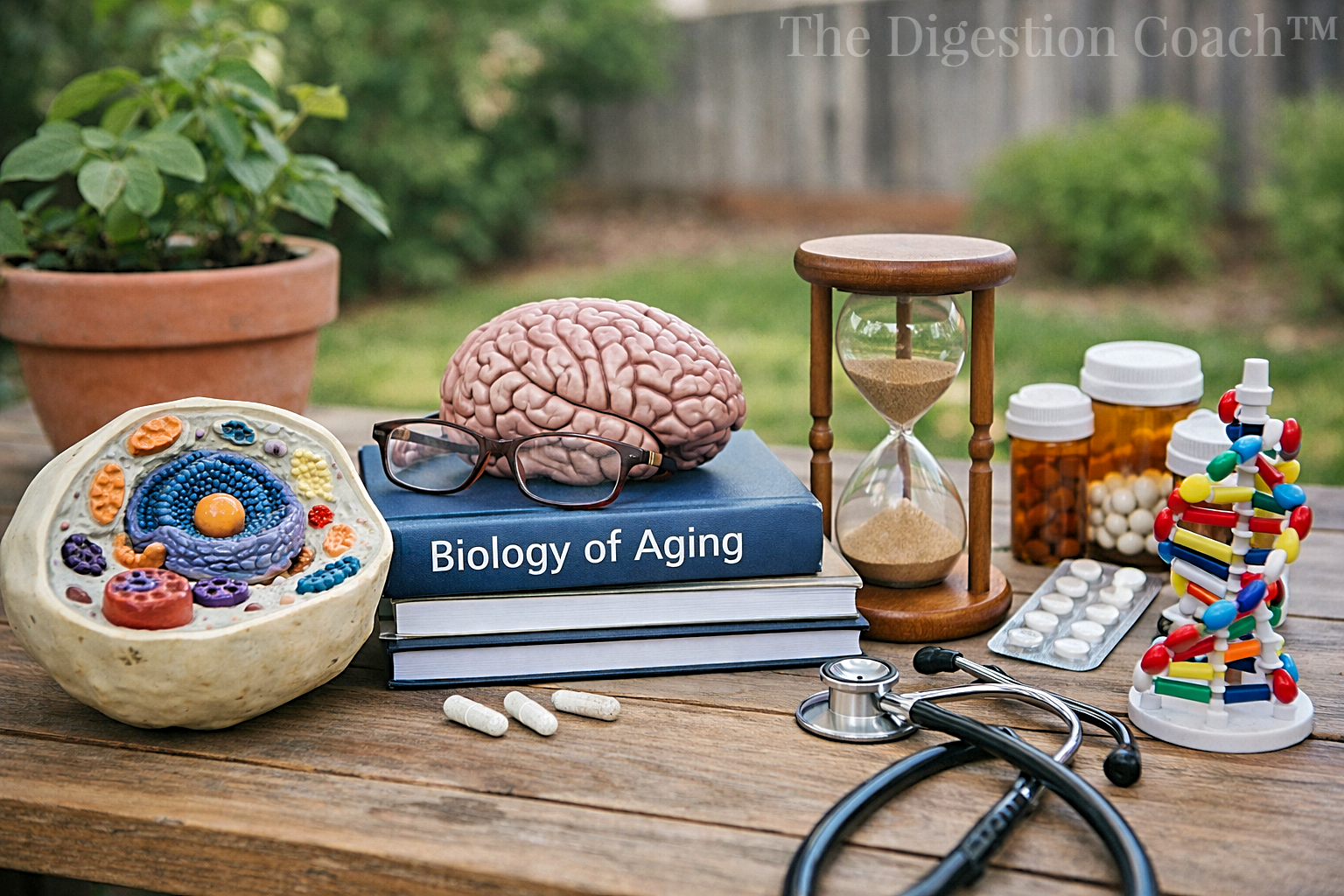
Most people think aging happens because time passes. But researchers are now revealing that the biology of aging plays a crucial role in how we grow older.
Modern research shows something different.
Aging is driven by biological changes inside our cells. These changes build slowly over time and affect how well the body repairs, produces energy, and controls inflammation.
A large scientific review published in Signal Transduction and Targeted Therapy explains that aging is not one single event. Instead, it is a collection of connected processes that influence nearly every chronic disease we see today.
Understanding the biology of aging helps us understand why health changes long before disease appears.
What Researchers Wanted to Understand
Scientists reviewed decades of research to identify the main cellular processes responsible for aging and age-related disease.
Rather than studying conditions separately — heart disease, diabetes, cognitive decline, or immune dysfunction — researchers looked for shared biological causes.
They found that many chronic illnesses arise from the same underlying processes that drive aging itself.
In other words, aging and chronic disease are closely linked at the cellular level.
The Biology of Aging — Explained Simply
Researchers describe aging using several core biological changes often called the hallmarks of aging.
DNA Damage Builds Over Time
Every day, cells experience stress from metabolism and the environment. Normally, repair systems fix this damage. With age, repair becomes less efficient, allowing problems to accumulate.
Telomeres Gradually Shorten
Telomeres protect chromosomes during cell division. Over time, they become shorter, limiting how well cells can continue functioning.
Gene Regulation Changes
Genes are controlled by signals that turn them on or off. Aging alters these signals, causing cells to behave differently than they once did.
Mitochondria Produce Less Energy
Mitochondria create cellular energy. As they decline, fatigue increases, and tissues become more vulnerable to stress.
Cellular Cleanup Slows Down
Healthy cells recycle damaged parts through a process called autophagy. Aging weakens this cleanup system, allowing cellular waste to build up.
Senescent Cells Accumulate
Some damaged cells stop dividing but remain active. These cells release inflammatory signals that affect nearby tissues.
Communication Between Cells Changes
Organs rely on constant signaling. Aging disrupts these messages, leading to immune imbalance and metabolic dysfunction.
Together, these changes gradually reduce resilience across the body.
From a Clinical Perspective…
From a clinical perspective, this research helps explain why patients often feel unwell before lab tests show clear disease.
Symptoms such as fatigue, digestive issues, brain fog, or metabolic resistance may reflect early system stress rather than isolated problems.
Many symptoms share common biological roots. The body is not failing in one area — multiple systems are losing efficiency simultaneously.
This shifts the conversation from treating symptoms to understanding physiology.
Aging Is a Whole-Body Systems Process
No organ system ages alone.
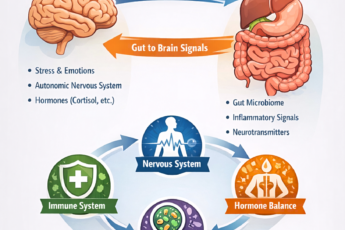
The gut influences immune activity. The immune system affects brain function. Metabolism shapes inflammation levels. Energy production affects every tissue.
Because these systems are connected, small disruptions can spread across the body over time.
Aging is best understood as a network imbalance rather than a single disease.
Why This Matters for Healthspan
Lifespan refers to how long we live.
Healthspan refers to how long we stay active, independent, and mentally sharp.
Research shows that many age-related diseases appear when repair systems can no longer keep up with accumulated stress.
Supporting resilience — energy production, repair, and communication between systems — may play a key role in maintaining long-term function.
The goal is not simply to live longer but to live well for longer.
Practical Takeaways From Aging Research
- Chronic inflammation can accelerate aging biology
- Energy production is central to long-term health
- Small physiological stresses can accumulate over years
- Repair systems matter as much as disease treatment
- Multiple systems influence each other continuously
These insights help explain why health changes often occur gradually rather than suddenly.
Grand Conclusion: Understanding Aging Changes How We Think About Health
Aging is no longer viewed as an unavoidable mystery.
Science now shows it is a biological process shaped by cellular repair, energy production, immune balance, and communication between organ systems.
When we understand how these systems interact, aging becomes less about decline and more about maintaining resilience.
The future of health care may depend less on reacting to disease and more on understanding the biology that keeps the body functioning well over time.
Frequently Asked Questions
What is the biology of aging?
It describes cellular processes that gradually reduce repair capacity and increase disease risk.
What are the hallmarks of aging?
They are common biological changes such as mitochondrial decline, inflammation, and cellular senescence.
Why do symptoms appear before the disease?
Functional changes often occur before measurable structural damage develops.
Is aging connected to chronic illness?
Yes. Many chronic diseases share the same underlying mechanisms of aging.
Can aging biology change?
Research suggests biological aging responds to metabolic, environmental, and physiological influences.
Source
Guo J. et al. Aging and aging-related diseases: from molecular mechanisms to interventions and treatments.
Signal Transduction and Targeted Therapy (2022)