A Bifidobacterium Deficit in U.S. Infants is Causing an Alarming Rise in Allergies and Non-Communicable Diseases (NCD)
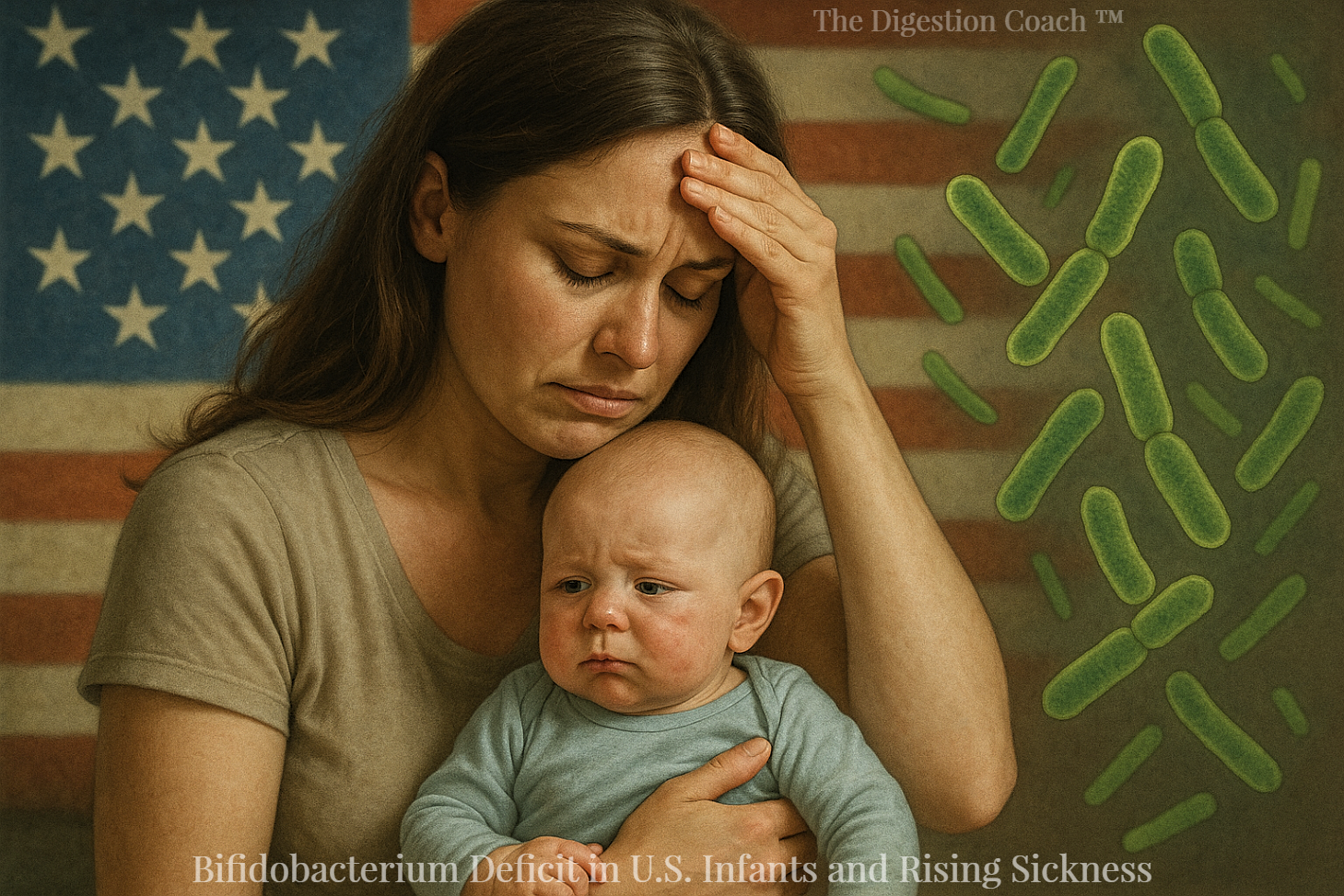
The gut microbiome shapes a baby’s health for life. Yet, a groundbreaking study reveals a troubling trend: Bifidobacterium, a vital group of beneficial gut bacteria, is missing in many U.S. infants. This Bifidobacterium deficit is associated with rising rates of allergies, eczema, and asthma in infants. Modern lifestyles, like processed diets and antibiotic overuse, are likely culprits. Let’s explore why this matters, what’s causing it, and how we can protect our children’s health.
What Is Bifidobacterium and Why Does It Matter?
Bifidobacterium is a group of beneficial bacteria that dominate healthy infant guts. These microbes break down human milk oligosaccharides (HMOs), sugars in breast milk that fuel gut health. They produce anti-inflammatory compounds, lower gut pH to block pathogens, and reduce harmful antimicrobial resistance genes. The My Baby Biome study, published in 2025, found that 25% of U.S. infants lack detectable Bifidobacterium. This is alarming. Without these bacteria, infants face rising rates of allergies and a higher risk of gut dysbiosis, an imbalance linked to chronic health issues.
How Does a Bifidobacterium Deficit Affect Infant Health?
The absence of Bifidobacterium strains (B. infantis, B. bifidum, B. breve, and B. longum) disrupts the infant gut. The study showed that 25% of infants aged one to three months had no detectable levels of these bacteria. Notably, 92% lacked Bifidobacterium infantis, a key species common in non-industrialized populations. This deficit allows harmful bacteria, like Clostridium perfringens, to take over. The result? A higher risk of noncommunicable diseases (NCDs). By age two, 30% of infants in the study developed conditions like:
- Allergies (12.4%)
- Eczema/dermatitis (21%)
- Asthma (3.3%)
These are part of the “atopic march,” a chain of allergic diseases starting in infancy. A healthy gut with Bifidobacterium supports immune tolerance, reducing these risks.
Why Is Bifidobacterium Disappearing in U.S. Infants?
Modern lifestyles are driving the Bifidobacterium deficit. The My Baby Biome study highlights several societal factors:
- C-section Deliveries: About 33.7% of U.S. infants are born via C-section, missing microbial exposure from vaginal birth. This increases the chance of dysbiosis by 35% compared to 19% in vaginal births.
- Antibiotic Use: Over half (53.8%) of infants received antibiotics by age two. Antibiotics kill beneficial bacteria, disrupting the gut microbiome.
- Western Diets: Processed, low-fiber diets reduce the environmental sources of Bifidobacteria. Unlike traditional diets in groups like the Hadza, modern diets favor harmful bacteria.
- Reduced Microbial Exposure: Overly sanitized environments limit infants’ contact with diverse microbes, a key factor in the “Hygiene Hypothesis.”
These factors combine to create a microbiome less equipped to fight chronic diseases.
What Happens When Bifidobacterium Is Replaced?
When Bifidobacterium species are absent, other bacteria fill the gap. In C-section infants, pathogens like Clostridium perfringens often metabolize HMOs, but they lack the benefits of Bifidobacterium. These replacements increase harmful genes linked to infections. They also fail to produce anti-inflammatory metabolites, such as indole-3-lactic acid (ILA). The study grouped infant microbiomes into three clusters:
- C1 (Breastfed, Bifidobacterium-Dominant): Healthiest, with low harmful genes and strong HMO use.
- C2 (Vaginal Births): Mixed, with some Bifidobacterium but also less beneficial mucin-using bacteria.
- C3 (C-section, Dysbiotic): Highest in harmful bacteria and genes, linked to worse health outcomes.
This shift explains why dysbiosis is a growing concern in the U.S.
How Can We Address the Bifidobacterium Deficit?
Restoring Bifidobacterium in infants is critical. Parents and healthcare providers can take steps to support gut health:
- Promote Vaginal Births: When medically safe, vaginal delivery boosts microbial exposure.
- Encourage Breastfeeding: Breast milk’s HMOs feed Bifidobacterium breve, especially in the first months.
- Limit Antibiotics: Use antibiotics only when necessary to preserve beneficial bacteria.
- Explore Probiotics: Consult with a digestion coach, such as Dr. Ettinger, about B. infantis supplements to restore healthy microbes.
- Rethink Diets: A fiber-rich maternal diet may support microbial diversity in infants.
These actions can help rebuild a healthy gut microbiome during the critical first 1,000 days of life.
Why Should We Care About This Now?
The Bifidobacterium deficit is a wake-up call. Rising rates of allergies and NCDs signal a need to act. The My Baby Biome study demonstrates that early gut health significantly influences lifelong outcomes. Modern lifestyles—processed foods, antibiotics, and sanitized environments—are stripping infants of protective bacteria. By addressing these factors, we can reduce the burden of chronic diseases. The first 1,000 days are a window of opportunity. Let’s use it.
Discuss your baby’s gut health with Dr. Ettinger, either in person or via Zoom. Explore breastfeeding, consider probiotics, and advocate for policies that reduce unnecessary C-sections and antibiotic use. Share this post to raise awareness about the Bifidobacterium deficit and its impact on our children’s future.
Source: Jarman et al., Communications Biology (2025), https://doi.org/10.1038/s42003-025-08274-7.